The DM lands on a Wednesday night, usually after ten. A photo of a four-node Philodendron spiritus-sancti cutting, slightly out of focus, one aerial root reaching. Below it: "Open to trades?" You stare at your own shelves — the variegated Monstera that throws half-moons more often than it should, the Anthurium warocqueanum you grew from a sad import, the Hoya carnosa 'Compacta' that nobody actually wants but everyone owns. You start doing math that has nothing to do with money.
Trading is the older economy. Before the Etsy listings and the auction groups and the cold gloss of PayPal Goods and Services, collectors swapped cuttings across kitchen tables and shipped them in damp paper towels with handwritten notes. The practice survived the boom because it does something a sale can't: it makes two growers into something closer to colleagues. But it also goes wrong constantly, and the reason it goes wrong is almost never greed. It's that nobody talks about how to actually propose one.
What a trade is actually for
A sale moves a plant from someone who has it to someone who wants it. A trade does that twice, in opposite directions, and adds a third thing: a relationship. You are now two people who have each agreed the other grows well enough to be trusted with something you cared about. This is not sentimental. It is structural. The next time you have a spare cutting of something interesting, you will think of them first. The next time they unbox an import and find three plants where they ordered two, you will get the text.
This is why pure cash-equivalent trades — where both parties price their cuttings to the dollar and try to land on parity — tend to feel hollow even when they're fair. You haven't traded plants. You've performed a barter that could have been a Venmo. The trades that matter usually involve at least one plant that isn't currently for sale anywhere, from at least one grower who isn't currently selling. That is the whole point.
If what you want is the plant and only the plant, just buy it. Sellers exist. The trade economy is for people who want the plant and the grower.
A trade is not a transaction with the cash filed off. It is a conversation about what two growers think their plants are worth, and why.
How collectors actually value a cutting
Price guides for rare aroids are fiction written by the last person who got lucky on an auction. What experienced collectors are really weighing is a stack of variables: node count, root development, leaf maturity, provenance, and the demonstrated growability of the mother plant. A two-node wet-stick of Philodendron billietiae x atabapoense from a flowering, vigorous mother is worth meaningfully more than a four-node cutting from a plant nobody has seen produce a mature leaf.
Provenance does real work here. A Philodendron spiritus-sancti traceable to one of the known long-term US growers carries weight a no-history cutting doesn't, because the legal and horticultural questions are settled. Same with Anthurium dressleri — the difference between a true dressleri from a named grower and a Florida-tag dressleri that might be a hybrid is the difference between a trade and a regret.
Then there's the soft stuff: is the plant currently rooted in your conditions, or has it sulked for six months? Has it ever thrown a runt leaf? Are you trading the cutting because you have a surplus, or because you're trying to offload a plant that hates your house? That last question is the one honest traders answer in the message, unprompted.
The proposal
A good trade proposal does three things in under two hundred words. It names the plant you're offering with specifics — node count, root status, current leaf, lineage if known. It names what you'd hope to receive, in a range rather than a single demand. And it leaves room for a counter.
Here is a real version, lightly anonymized: "I have a freshly cut three-node top of my variegated Philodendron 'Florida Beauty', stable variegation across the last four leaves, rooted in sphagnum, ready to ship Monday. Mother came from [grower] in 2021. I'd be interested in trading toward something in the velvet Philodendron camp — verrucosum , gigas , or luxurians — happy to talk add-ons either direction. No rush." That message respects the recipient's time, signals competence, and gives them three ways to say yes.
What sinks proposals: vagueness ("open to trades, what do you have?"), wishlist-only messages with no offer attached, and the unforced error of leading with a list of things you won't accept. You are not posting a job listing. You are asking a stranger to swap living organisms with you.
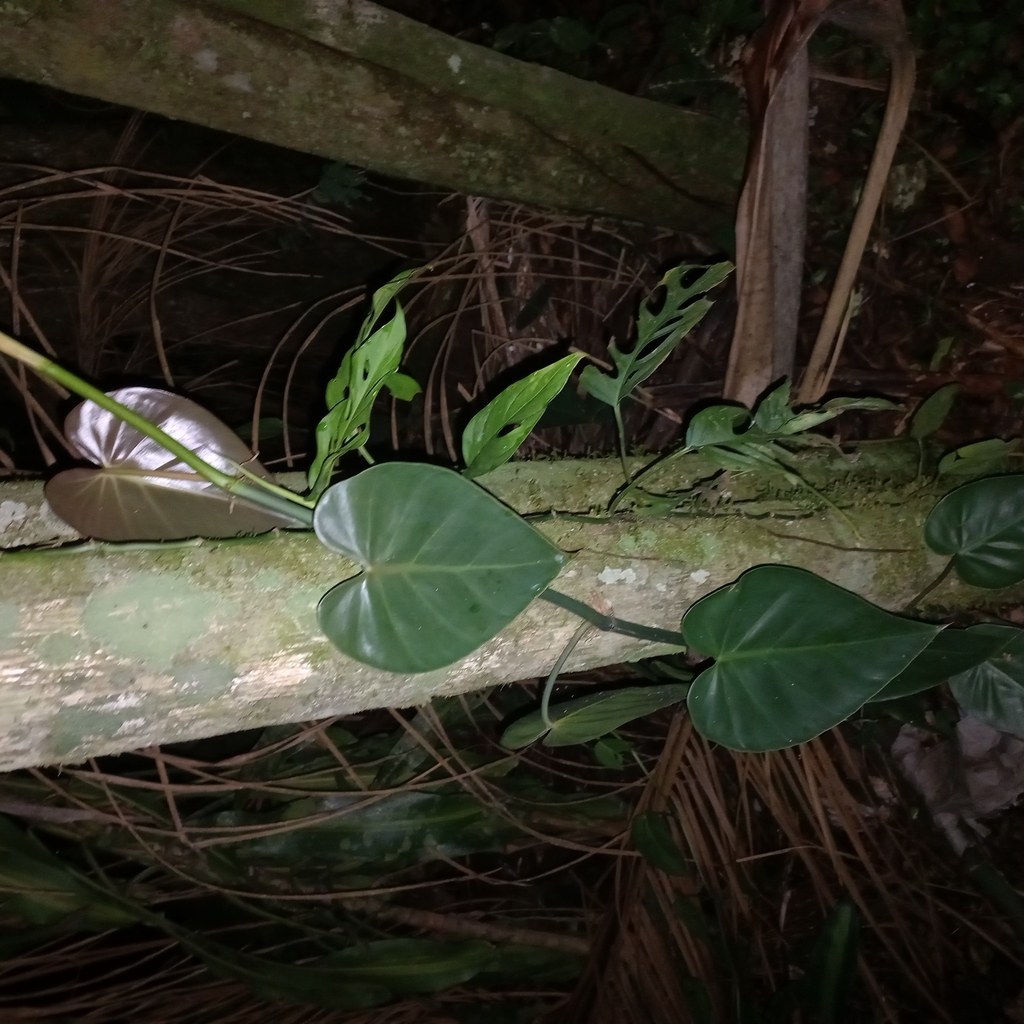
The add-on, the boot, and the gentleman's gap
Trades rarely land at perfect parity, and the practiced way to handle the gap matters more than the gap itself. Three tools: the add-on (a second smaller plant from the lighter side), the boot (cash thrown in to balance, usually rounded down to feel like a gesture rather than a payment), and what older traders call the gentleman's gap — both parties agreeing the trade is uneven and that the lighter side owes a future cutting when something propagates.
The gentleman's gap is the most interesting of the three because it requires trust that the relationship will continue. It only works among collectors who actually know each other, or who at least operate in the same small circles where a broken promise becomes public quickly. If you're trading with someone for the first time, don't propose it. Use a boot or an add-on and let the gap close in the same package.
The boot, when used, should be small and named openly. "My side feels lighter by maybe fifty — happy to add that" is a clean sentence. Trying to disguise a sale as a trade by adding a hundred-dollar boot to a fifteen-dollar cutting is just a sale with extra steps, and the other person will notice.
Shipping, timing, and the part where it goes wrong
The most common failure point in trades isn't valuation. It's logistics. One party ships Monday; the other delays a week because of weather; the first cutting sits in a box in Memphis over a holiday weekend. Suddenly a clean trade becomes a recovery operation, and recovery operations breed resentment.
Agree on a ship date in writing, and ship the same day if at all possible. Both parties should use heat packs or cold packs as the route demands, both should use the same shipping speed, and both should send tracking before the boxes leave the porch. If one side can't ship on the agreed date, the other side waits — you do not ship into a one-way trade and hope the return cutting materializes.
Pack like the recipient is a stranger who will judge you, because they are. Damp (not wet) sphagnum, the cutting wrapped so the roots don't shear in transit, the stem labeled, a photo of the cutting before it went in the box sent by text. None of this is excessive. It's the minimum that signals you take the other grower's collection as seriously as your own.
When to say no, and how
You will receive trade offers that don't work — wrong plant, wrong timing, wrong sense of value. Saying no is part of the practice, and doing it well keeps the door open. A short message that names what's off ("the timing's tough, I'm not cutting that mother until spring" or "I'd want something further along on my side — maybe revisit when your verrucosum throws another leaf") is worth more than a vague brush-off.
The trades I regret are almost never the ones I declined. They're the ones I accepted because I felt awkward saying no, then watched a cutting I'd grown for two years go to someone who killed it in a month. Trading is not customer service. You are allowed to protect plants you've put real time into.
And occasionally — rarely, but it happens — you'll get a proposal that's so well-constructed, from a grower whose shelves you've quietly admired for a year, that you say yes before you've finished reading. Those are the ones to remember. Those are why the older economy survived.