The message comes in at 11:43 on a Tuesday night. Three photos of a stem cut laid out on a paper towel, a price in a currency that isn't yours, and a Wise account number. The plant is something you've wanted for two years — a Philodendron luxurians, maybe, or a spiritus-sancti from a grower in Espírito Santo who only sells through a friend's DM. You have ninety minutes before someone else takes it. You have one chance to look at the photographs and decide whether the thing in them is going to root and live, or arrive as a wet brown apology in a flat-rate box.
Vetting a cutting from a photo is its own small discipline. The good news is that almost everything you need is visible if the seller has taken the picture honestly. Node anatomy, the color of the parenchyma at the cut, the line where rot creeps up from a wound, the angle of the blade — these are legible. What follows is how to read them, and the questions to ask before money leaves your account.
Start with the node, not the leaf
The leaf sells the cutting. The node decides whether you own a plant in six weeks or a compost contribution. Look past the foliage in the first photo and find the node — the slightly swollen ring where the petiole meets the stem, where the axillary bud sits, and where roots will emerge. On a healthy Philodendron or Anthurium cutting, the node should be firm, plump, and the same general color as the surrounding stem, with no sunken zones or dark halos.
Count nodes. A single-node cutting can root, but a two- or three-node cutting gives you redundancy: if the top node aborts, the lower one can still push. For slow, expensive material — Philodendron spiritus-sancti, Anthurium forgetii, the velvet papillilaminum hybrids — pay for two nodes if you can. One node of a five-figure plant is a tightrope walk in a cardboard box.
Check whether the axillary bud is visible and intact. On many Philodendron species you can see a small green or cream-colored point pressed against the stem just above the petiole scar. If it's been gouged out, knocked off in transit photos, or buried under a brown bruise, the cutting can still root from the node itself, but you've lost the easiest path to new growth.
A cutting is not a plant. It is a bet that a piece of tissue, severed and shipped, still wants to live.
Read the cut like a cross-section
Ask for a clean, well-lit photo of both cut ends — top and bottom. This is non-negotiable for anything over a couple hundred dollars. What you want to see is uniform pale green or cream-white parenchyma, with the vascular ring visible as a faint dotted circle. The tissue should look like a crisp apple, not a bruised pear.
Brown streaking through the cross-section is the warning. A thin tan ring just under the epidermis is often normal corking on older stems, especially in mature Monstera or thick-caned Philodendron. But brown wedges radiating inward, or a dark central core, mean vascular rot is already moving through the stem. That cutting will continue to rot in your care, no matter how aggressive you are with the knife when it arrives.
The cut itself tells you about the seller. A single clean slice with a sharp blade — flat, smooth, no tearing — suggests someone who treats their stock plants well and understands wound response. Crushed, ragged, or sawed-looking ends mean dull tools and likely a careless propagation setup. Sloped cuts shed water; flat cuts callus evenly. Neither is wrong, but a torn cut is always wrong.
Follow the rot line
Rot in aroid stems rarely arrives as a clean black patch. It moves as a gradient — a watery, translucent zone fading into yellow, then tan, then the dark brown most people recognize too late. Train your eye on the transitions. A cutting photographed with a faintly olive, slightly sunken band an inch above the lower cut is telling you that rot is advancing upward into the node. By the time it ships, that band will be brown.
Pay particular attention to petiole stubs. If the seller has trimmed off old leaves, the remaining stub should be dry, corky, and sealed. A petiole stub that looks wet, glassy, or surrounded by a dark ring on the stem is an open infection site. Anthurium are especially prone to this; their thick petioles harbor bacterial soft rot that walks straight into the stem if left wet.
Ask for photos taken that day, not pulled from a folder. A timestamp, a written note in frame, or the seller's hand holding the cutting against a known background — these aren't paranoid requests. Rot can advance visibly in forty-eight hours. A photo from last week is a photo of a plant that no longer exists.
Aerial roots are evidence, not decoration
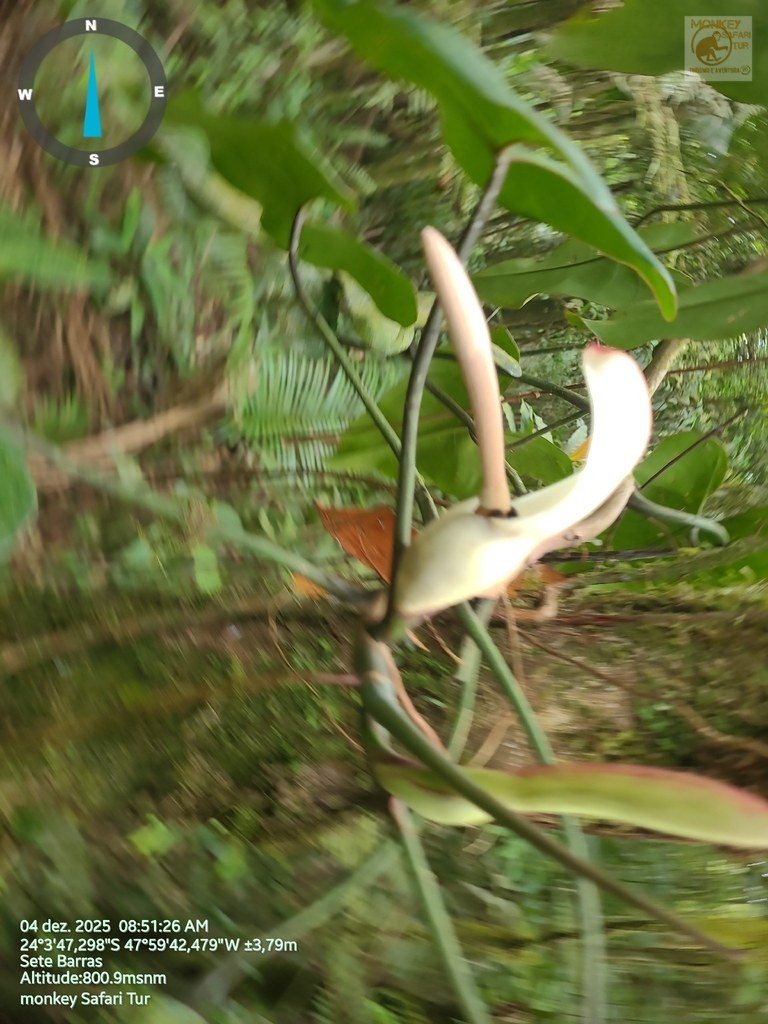
A cutting with existing aerial roots is worth more than one without, but only if those roots are alive. Living aerial roots on Philodendron and Monstera are firm, with a green or bronze growing tip and a white, slightly fuzzy root cap when active. Dead aerial roots are hollow, papery, gray-brown tubes — useful as a sign the node was once healthy, but contributing nothing to establishment.
On velvet-leaf species like Philodendron melanochrysum or gloriosum, aerial roots also tell you about the mother plant's growing conditions. Short, stubby, well-branched roots suggest a grower running real humidity and airflow. Long, thin, etiolated roots suggest a plant reaching for moisture it wasn't getting. Neither disqualifies the cutting, but the first usually establishes faster.
For Anthurium, the root situation is different — they tend to push thicker, paler roots directly from the node rather than from internodal stem. What you want to see is a clean basal plate where roots emerge or will emerge, not a mushy collar. The base of the stem on a sectioned Anthurium should look like the bottom of a leek: tight, layered, dry at the cut.
The seller is part of the cutting
You are not just buying tissue. You are buying the judgment of the person who cut it, packed it, and chose the courier. A grower who answers questions about substrate, parent plant age, and last watering before cutting is a grower who has thought about wound response. One who deflects, who insists you trust them because of follower count or because a mutual friend vouched, is selling you on reputation rather than on the plant in the photo.
Ask three questions and listen to how they're answered. When was it cut? How has it been stored since — open air to callus, or wrapped in damp sphagnum? What's the parent plant's growing setup? The right answers vary by species and grower, but the wrong answer is always vagueness. A serious propagator knows when they cut a stem the way a baker knows when they pulled bread.
Provenance matters for the rare end of the market. For Philodendron spiritus-sancti, Anthurium dressleri or luxurians, Monstera obliqua Peru — plants where misidentification and laundering through tissue culture have muddied the waters — ask where the mother plant came from and how far back the line goes. A seller who can name the grower they got their stock from, and that grower's source, is selling you something traceable. A seller who can't is selling you a guess in a bag of moss.
Logistics are part of the gamble
Even a perfect cutting from an honest seller can arrive dead. Transit time, customs holds, and temperature swings do most of the killing. Before you wire, confirm the shipping window, the courier, and whether a phytosanitary certificate is included for international orders. A cutting held five days in a Miami warehouse in August is a different cutting than one that lands in forty-eight hours.
Ask about packing. Damp — not wet — sphagnum around the node, the stem wrapped in dry paper, leaves cushioned but not sealed in plastic where they'll sweat. A heat pack in winter, an insulated mailer in either direction of the thermometer. Sellers who pack well will tell you exactly how they do it, often with a photo from a previous shipment. Sellers who handwave packing are sellers whose losses you will eat.
Finally, agree on what happens if it arrives damaged. Partial refund, store credit, replacement on the next cut from the same mother — the policy itself matters less than whether one exists in writing before money moves. A clear arrival policy is the cheapest insurance in this hobby, and its absence is the single most reliable predictor of a transaction you'll regret.
What you're actually buying
A cutting is not a plant. It is a bet that a piece of tissue, severed and shipped, still wants to live. The photographs you're handed are the evidence in that bet, and learning to read them is the difference between a collection that grows and a spreadsheet of losses you tell yourself were tuition.
The collectors who do this well are not the ones with the deepest pockets. They are the ones who have learned to walk away. They ask for the second photo, the timestamp, the cross-section. They notice the olive band above the lower cut. They put the phone down at 11:43 on a Tuesday and answer in the morning, and sometimes the cutting is gone and sometimes it isn't, and over years the math works out in their favor.
The plant you want will come around again. The wire transfer, once sent, will not.