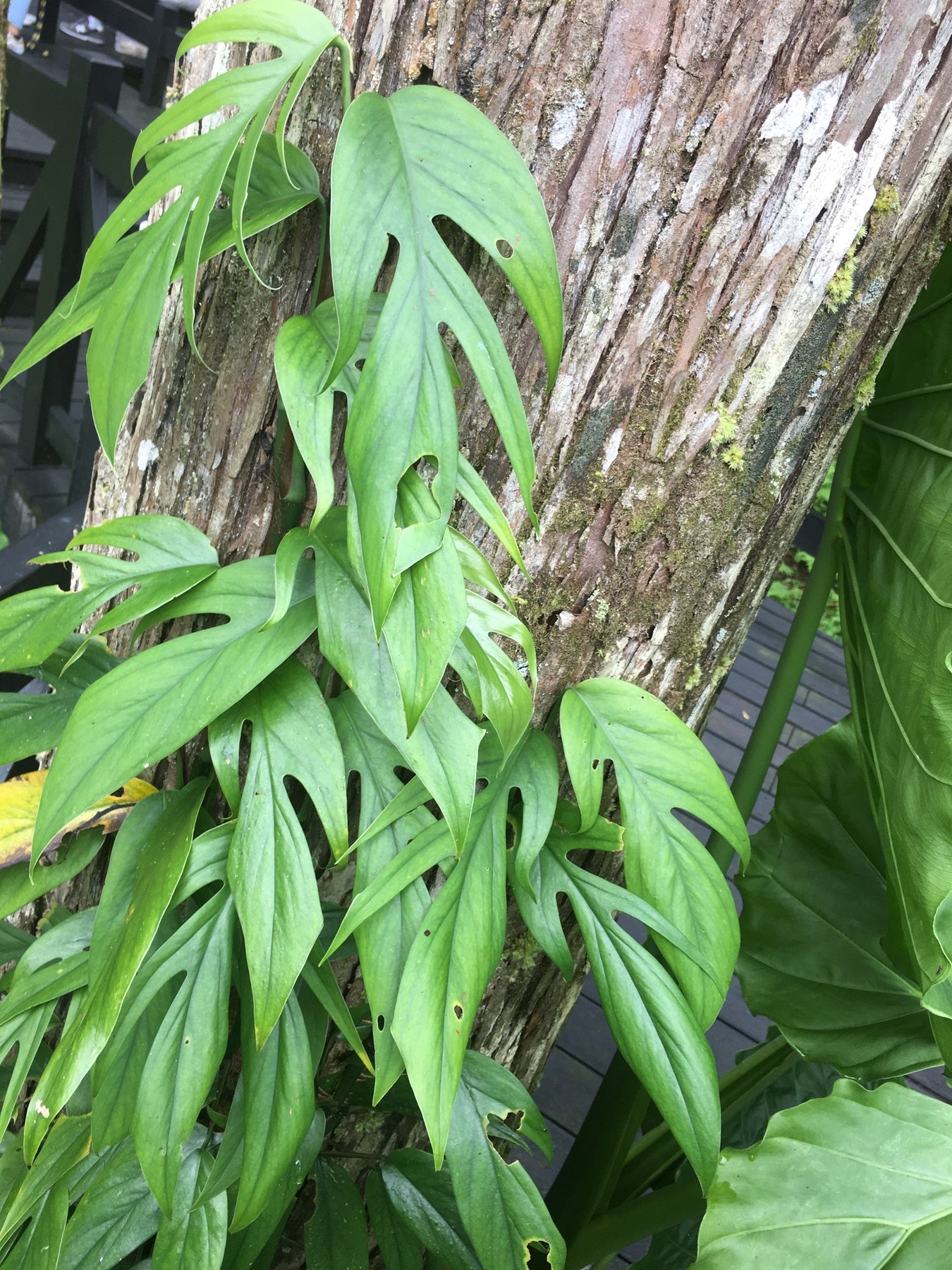
📷 黃振琪 / Wikimedia Commons (CC BY 4.0)
Field Guide · Epipremnum
Most pothos are interchangeable. A handful aren't — here's where the money and the shelf space actually go.
The only pothos that earns a moss pole on aesthetic grounds. Juvenile leaves are narrow, silver-blue, with a faint metallic sheen that flat photos never quite capture. Give it something to climb and the leaves enlarge and eventually fenestrate — the payoff most people never see because they leave it trailing in a 4-inch pot. Worth the wait.
Best overallA genuinely useful color in a collection dominated by deep greens and silvers. New leaves come in almost yellow and harden off to a sharp lime; older leaves dull slightly in low light, which is the main argument for keeping it bright. No variegation to revert, no reversion to fear — just a stable, fast, forgiving plant that reads at a distance.
Best valueA patented sport with wavy leaf margins and irregular cream, white, and green sectoring on the same leaf — no two are alike. Slower than Marble Queen and prone to sectors of pure white that eventually brown if the leaf gets stressed. Bright indirect light is non-negotiable; in dim corners it loses variegation and the leaves flatten out.
Most collectibleThe whitest of the common aureum sports — frequently more than half white on a given leaf. That makes it slower and thirstier than Marble Queen, which it's constantly confused with at big-box stores. Check new growth: Snow Queen's emerges nearly pure white with green flecks, Marble Queen emerges green-dominant. Buy accordingly.
Show pieceThe pothos that finally cooled off after two pandemic years of absurd prices, and is better for it. Pure white sectors, occasionally half-moons, on the true pinnatum leaf shape — not an aureum. Unstable; cuttings need at least one good green chimera to keep producing variegation. Climb it, or the leaves stay small and the variegation looks accidental.
For the patient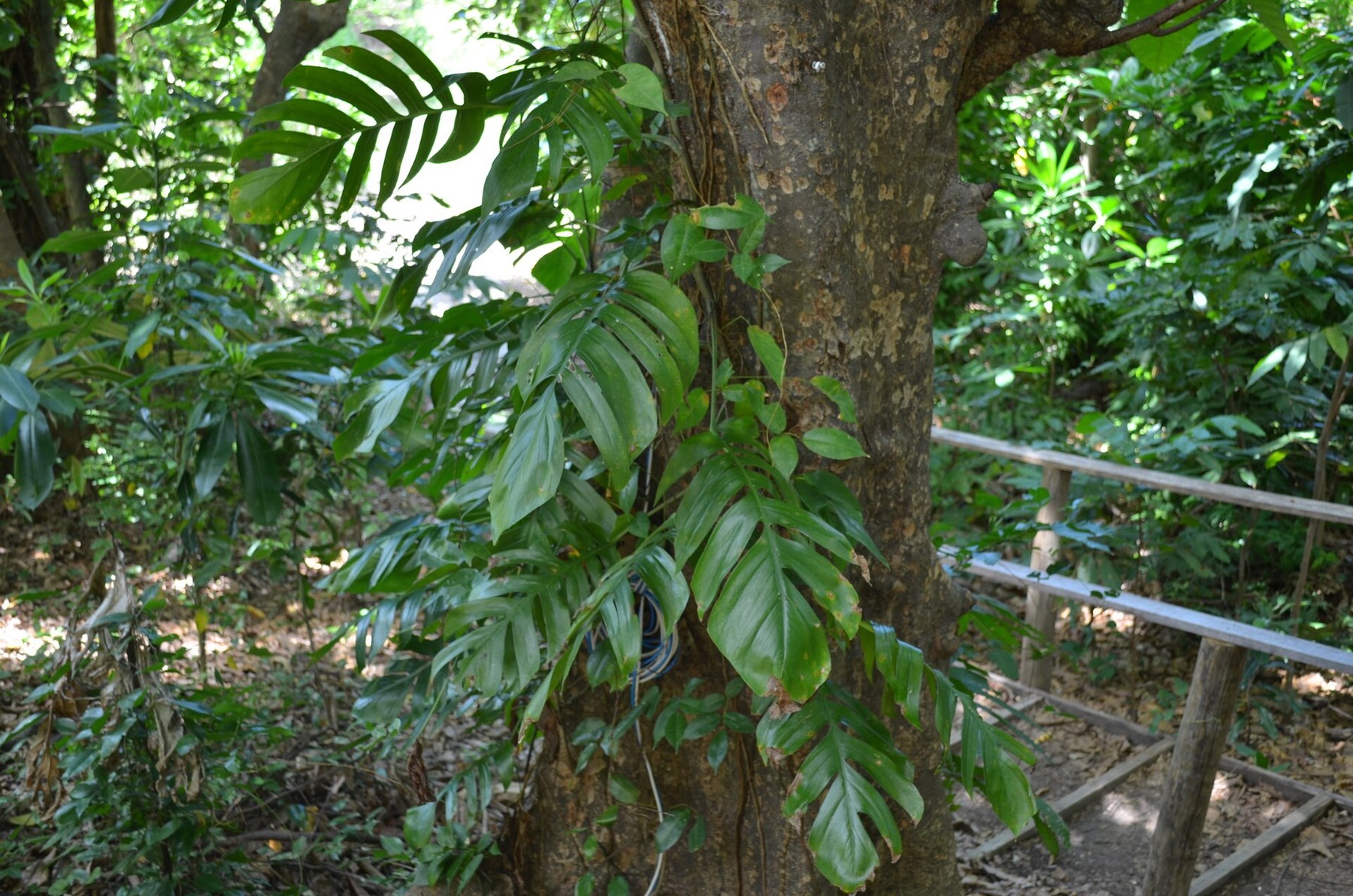
'Marble Queen' is fine, and I own one, but it's the cultivar most often mis-sold as Snow Queen or even Manjula. If you want high white, buy Snow Queen knowingly. If you want stable, easy variegation, Marble Queen is genuinely good — just don't pay collector prices for it.
'N'Joy' and 'Pearls and Jade' are sports of each other and visually similar enough that most sellers can't tell them apart. Both are slow, both scorch in direct sun, and both produce small leaves that never really mature into anything more interesting. Pleasant, not essential.
'Global Green' had a moment. The leaf pattern — darker green islands on a lighter green field — is genuinely novel, but the plant is sluggish and the contrast collapses in anything less than very bright light. If you have the light, fine. If you don't, it just looks like a tired aureum.
Skip 'Harlequin' unless you trust the seller completely. It's marketed as a more variegated Manjula and is frequently just a well-photographed Manjula cutting sold at a markup. Genetics in this corner of the trade are murky.
Every pothos in this list wants the same thing: a chunky, airy mix that drains fast and dries from the top down. I use roughly equal parts orchid bark, perlite, and a peat or coir base, with a handful of charcoal. Straight potting soil works in the sense that the plant survives; it doesn't work in the sense that roots thrive. Pinnatum types especially resent staying wet.
Light is where cultivar choice actually matters. Solid greens (Cebu Blue, Neon, the species pinnatum) tolerate medium light and reward bright indirect with faster growth and bigger leaves. High-variegation cultivars — Snow Queen, Manjula, Albo — need bright indirect light most of the day or they revert, stall, or brown out the white sectors. An east window or a few feet back from a south window is the sweet spot. Direct midday sun bleaches and crisps.
Water when the top inch or two of substrate is dry. Pothos telegraph thirst: leaves go slightly limp and the petioles droop before any real damage. That's your reminder, not a crisis. Watering on a schedule — every Sunday, regardless — is how most of these plants die, slowly, from the roots up. Humidity above 50% helps climbing forms produce larger leaves but isn't required for survival; airflow matters more than a humidifier.
Almost every Epipremnum sold as a hanging plant is in its juvenile form. The leaves stay small, never fenestrate, and the plant pours out meter after meter of stem with identical 3-inch leaves. That's not the plant's potential — it's the plant waiting for something to climb.
Give pinnatum — Cebu Blue, Albo, the straight species — a damp moss or coir pole and pin the aerial roots into it. Within a few months, new leaves come in noticeably larger. Within a year or two, on a tall enough pole kept genuinely moist, you start seeing the split, fenestrated mature leaf form that makes this genus interesting. Aureum cultivars climb too, but their mature form is less dramatic; the gain is mostly leaf size.
The common mistakes, in order of frequency: pole too dry to matter, pole too short to trigger maturation, and cuttings taken from the trailing tip and rooted in water — which resets the plant to juvenile every time. If you want a mature pothos, stop propagating the top and start feeding the climb.
Overpotting is the quiet killer. Pothos roots are fine and shallow; a pot two sizes up holds wet substrate the roots can't reach, and rot follows. Go up one pot size at a time.
Cutting off all the variegation. On Manjula and Albo, a fully white leaf is a dead end — it can't photosynthesize and will eventually brown. But the node it came from might still throw a variegated leaf next round. Don't prune reflexively; prune behind a good chimeric node.
Finally: trusting the label. Big-box pothos tags are wrong often enough that you should learn the leaves. Snow Queen versus Marble Queen, Manjula versus Harlequin, pinnatum versus aureum — these are 30-second visual calls once you've seen them side by side, and they save you from paying twice for a plant you already own.
The Field Guide from Leaf People.