
📷 Neptalí Ramírez Marcial / iNaturalist (CC BY 4.0)
Field Guide · Caladium
Read the tuber, time the wake-up, and you can pull two flushes of painted leaves from a single season.
A heat-tolerant strap-leaf cultivar bred at the University of Florida, with rose-pink centers and a narrow green margin. It runs short — 10 to 14 inches — so it holds together in a pot without the floppy collapse big fancy-leaf types are prone to. Tubers wake fast and reliably, often within two weeks of warm soil. If you only learn one Caladium's rhythm, learn this one.
Best starterTranslucent white blades with crimson veins and a thin green edge — the classic stained-glass look. It demands brighter light than most assume; dim corners give you pale, floppy leaves and a sulky tuber. Pot it shallow, feed lightly through the first flush, and it will throw a second round of smaller but equally vivid leaves after a brief rest. Worth the fuss.
ShowpieceA true dwarf at 8 to 12 inches, with chartreuse leaves freckled in burgundy. The compact habit means it tolerates pot life better than most fancy-leaf cultivars and rebounds quickly from a forced dormancy. Tubers are small, so plant several per pot for a full look. Holds color in dappled light where larger types wash out.
Small spacesTaxonomically slippery — often shuffled into Xanthosoma — but sold and grown as a Caladium relative. Unlike C. bicolor cultivars, it does not want a true dormancy; treat it as an evergreen aroid with steady warmth and moisture. The bone-white veining on a deep green blade is unmistakable. Include it here as the exception that proves the rule about tuber rest.
No-dormancy optionAn old, reliable white-center cultivar with broad green margins, and one of the more shade-tolerant fancy-leaf types. Tubers are large and store well through a dry rest, which makes 'Aaron' forgiving if you miss the ideal wake-up window by a few weeks. Expect 18 to 24 inches of leaf in a generous pot. A good cultivar for learning the dormancy cycle without high stakes.
Forgiving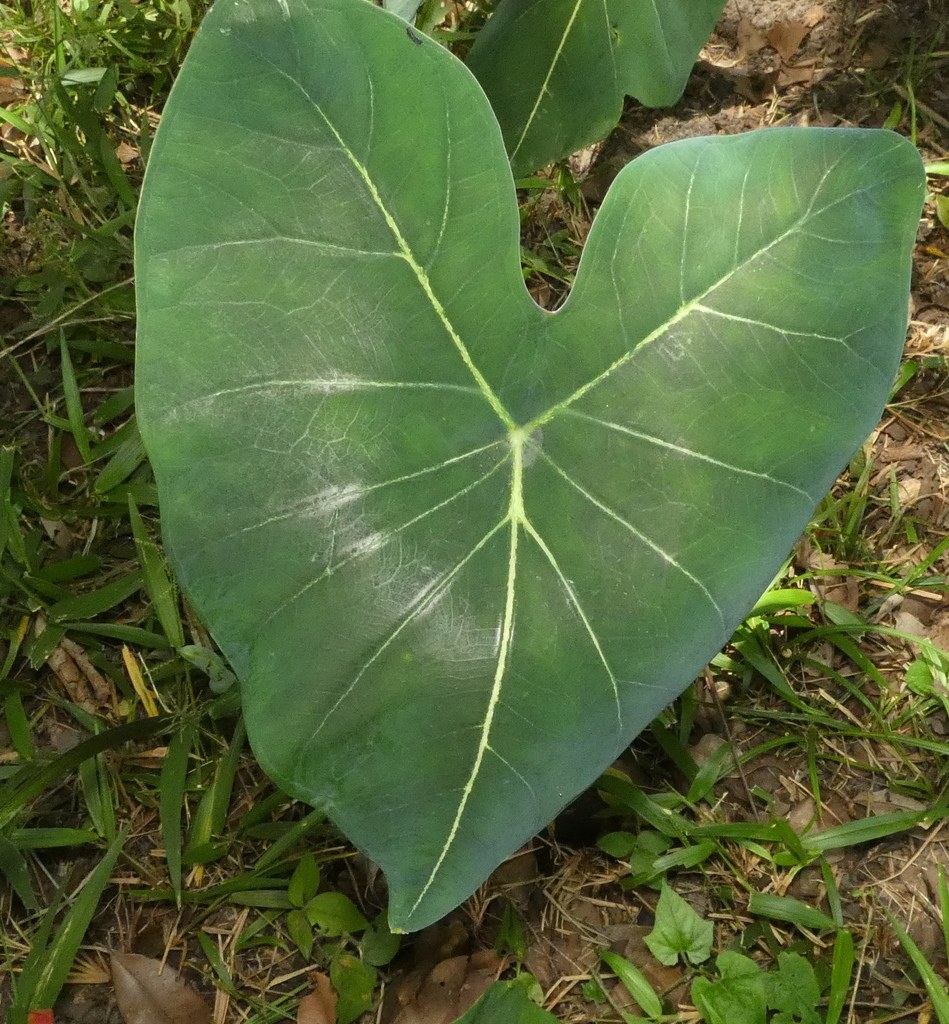
Caladium tubers are not bulbs in the botanical sense — they're flattened, knobby storage organs with a cluster of growth eyes on the dominant face and a fringe of secondary eyes around the shoulder. That structure is the whole game. The central eyes pop first and produce the largest leaves; the secondary eyes break later, smaller, and are the engine of your second flush. Growers who scoop out or notch the dominant eye (de-eyeing) trade leaf size for leaf count, because the secondaries lose their hormonal suppression and all wake at once.
Dormancy in Caladium bicolor is triggered by cool nights and shortening days, not calendar dates. In cultivation, the practical floor is soil temperature: below about 65°F, tubers sulk; below 60°F for any length of time, they can rot. The wake-up window is the stretch when soil sits between 70°F and 80°F with the tuber kept barely moist — not wet. Pot a dry, firm tuber into airy mix, water once lightly, and wait. New roots emerge before any leaf shows above the medium, and watering hard before those roots exist is the single most common way to lose a tuber.
If you are storing tubers from last season, check them in late winter. A live tuber is firm, slightly cool, and shows distinct pink or cream eyes when you brush off the cured skin. Soft spots, sour smell, or a hollow feel mean compost. Pot up four to six weeks before you want leaves, with the eyes facing up and the crown an inch below the surface.
Use a mix that drains hard but holds some moisture: two parts peat or coir, one part perlite, one part fine orchid bark works. Caladiums are not epiphytes — they want a denser medium than a philodendron — but they will rot in straight potting soil. Pot size matters more than people expect. A jumbo tuber (2.5 inches across or larger) wants at least a one-gallon pot; cramped tubers produce small leaves and exhaust themselves early.
Light is where most indoor growers undershoot. C. bicolor evolved on forest edges and clearings in tropical South America, not deep understory. Bright, filtered light — an east window, or a few feet back from a south-facing one — gives saturated color and sturdy petioles. Deep shade produces the pale, leggy leaves people mistake for delicate elegance; they're actually starving. Outdoors, morning sun with afternoon shade is the sweet spot in most climates.
Water on a curve, not a schedule. During the wake-up, keep the medium barely damp. Once the first leaf unfurls and roots fill the pot, water generously and feed every two weeks with a balanced liquid feed at half strength. Humidity above 50% keeps the thin blades from crisping; airflow keeps fungal spotting off them. As midsummer turns, the plant will tell you when it's done — petioles soften, new leaves come smaller, and the oldest leaves yellow on schedule rather than from stress.
The second flush is the part of Caladium growing that separates collectors from seasonal bedding buyers. When the first flush starts to decline — usually 10 to 14 weeks after sprouting — you have a choice. Let the plant slide into full dormancy and store the tuber dry, or push it through a short, controlled rest and wake it again the same year. Both work; the second is more interesting.
To force a second flush, cut watering back hard once half the leaves have yellowed. Let the medium dry until the remaining foliage collapses, then cut everything to the soil line. Move the pot somewhere warm (75–80°F) and dark, and leave it dry for three to four weeks. This is the rest, not a true dormancy — the tuber stays plump but resets its hormonal clock. Then resume the wake-up protocol: one light watering, bright warmth, patience. The secondary eyes drive this flush, so expect more leaves at slightly smaller size. Color is often more intense the second time around, especially in white and pink cultivars.
The mistakes are predictable. Watering a freshly potted tuber like a houseplant drowns it before roots form. Storing tubers below 55°F causes chilling injury that shows up as failure to sprout months later. Cutting healthy green leaves to force dormancy wastes the tuber's stored energy; wait for the plant's own signal. And do not skip the rest — a tuber pushed straight from flush to flush produces a thin, disappointing second round and often refuses to wake the following spring. Respect the pause, and the same tuber will run this cycle for years.
The Field Guide from Leaf People.