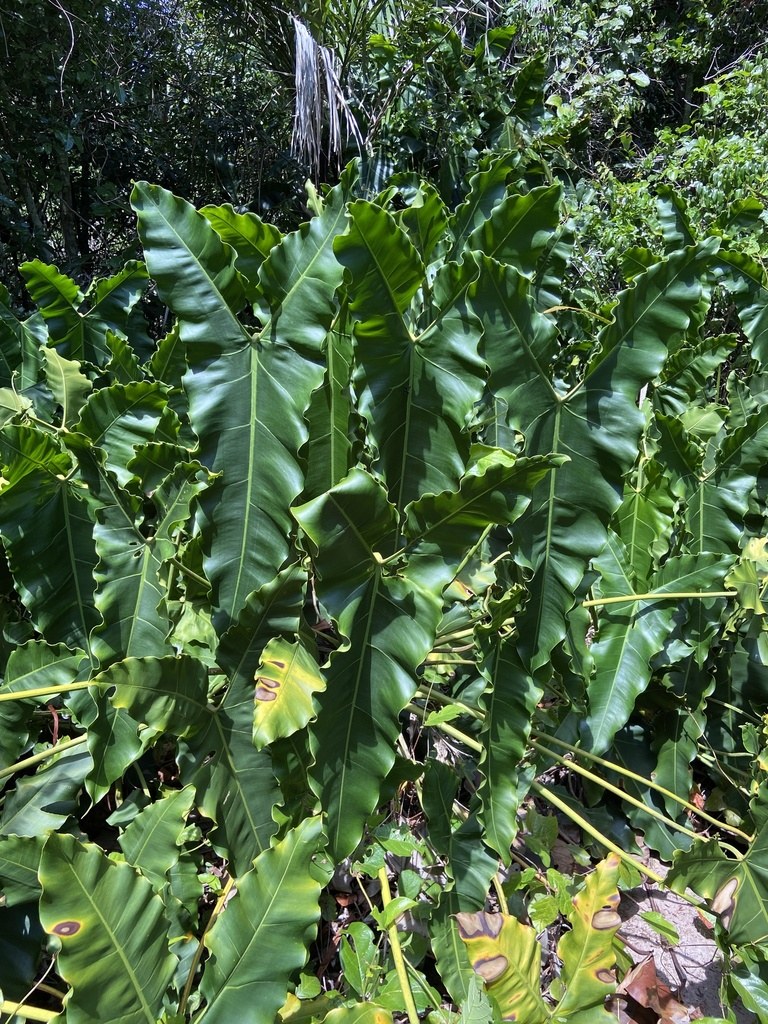
📷 Alexandre Magno / iNaturalist (CC BY 4.0)
Field Guide · Philodendron
A bold, architecturally strange Philodendron whose narrow, deeply incised lobes earn it a permanent spot in any serious collection.
The headline plant: a robust climber whose mature leaves develop long, finger-like lobes that can stretch well past 60 cm on a well-fed specimen. Foliage is a deep, lacquered green with a slightly leathery texture, held on long, semi-rigid petioles. Juvenile leaves are entire and relatively unremarkable, so patience is the price of admission. Give it a stout moss pole and consistent warmth and the transformation is worth every month of waiting.
Best in classWhere stenolobum is broad and architectural, tortum takes the strap-lobe concept to an almost skeletal extreme — lobes narrow to near threads, giving the plant a feathery silhouette unlike anything else in the genus. It climbs readily and appreciates strong airflow more than most Philodendrons. Growth is moderate rather than fast, and it does not tolerate sitting in wet media. A genuine conversation piece on a tall totem.
Most dramaticThe approachable anchor of the lobed-leaf group: a self-heading species that builds a short, stout trunk over time and throws enormous, wavy-lobed leaves up to a metre across on established plants. Unlike the climbers, it needs horizontal space rather than vertical. It tolerates lower humidity and wider temperature swings than most aroids, making it a reliable gateway into complex leaf architecture. Widely available and genuinely impressive at scale.
Most forgivingTechnically reassigned to Thaumatophyllum but sold everywhere as a Philodendron, xanadu stays compact — rarely past 80 cm tall — with neat, symmetrically lobed leaves that hold their form without a support structure. Lobes are rounder and shorter than stenolobum, giving it a tidier look suited to smaller growing spaces. It is one of the genuinely easy entries in this style of plant: tolerates moderate humidity and handles brief dry spells without drama. A good benchmark before committing to the more demanding climbers.
Best for tight spacesElegans sits between tortum and stenolobum in lobe width — deeply cut but not threadlike, with a slightly papery texture rather than the glossy finish of stenolobum. It climbs efficiently and tends to push new leaves faster than either of those species under equivalent conditions. Often confused with tortum in the trade, so verify the seller's photos carefully before purchasing. Rewarding once established, particularly when allowed to climb to 1.5 m or more where leaf size increases noticeably.
Best value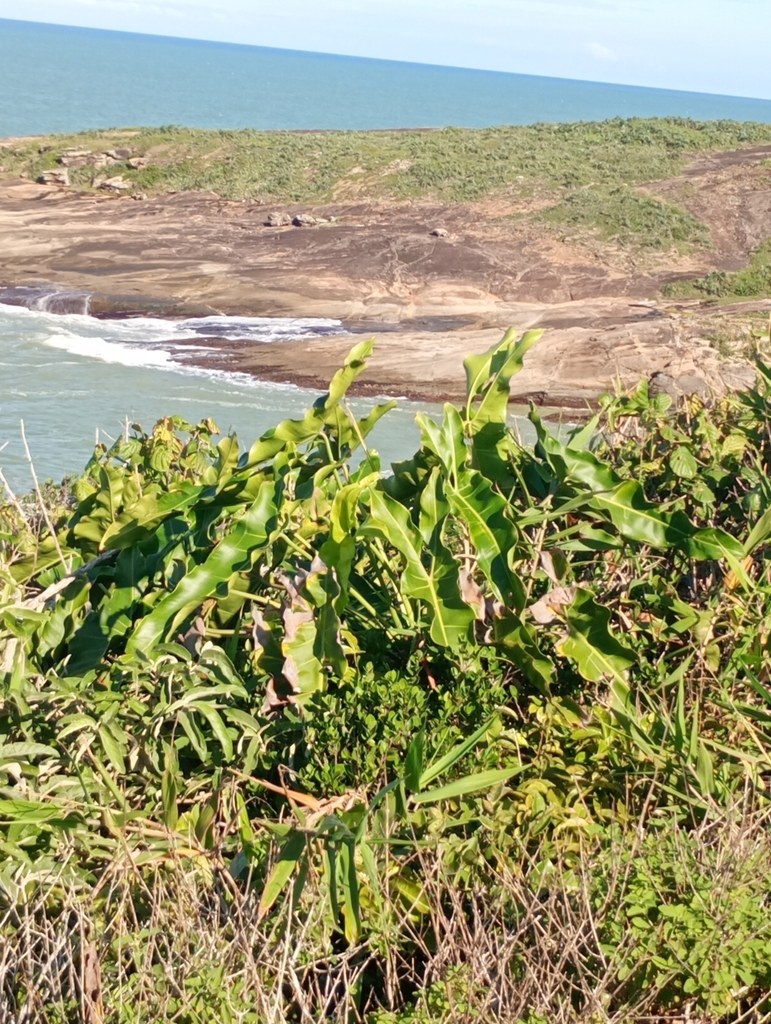
Philodendron stenolobum is a climber in the wild, and its roots behave accordingly: they want oxygen first, moisture second. A mix of roughly 40% high-quality potting bark (orchid grade, 1–2 cm chips), 30% perlite, 20% coco coir, and 10% worm castings hits the right balance between aeration and nutrition. Avoid peat-heavy commercial mixes — they compact over time and stay wet at the core while the surface looks dry, which is exactly the condition that leads to root rot on this species.
Pot selection matters more than most guides admit. Stenolobum prefers a pot that is slightly under-sized relative to the root ball rather than over-potted. Terracotta works well in humid growing rooms because it wicks excess moisture; plastic is fine if you're disciplined about watering. Repot when roots circle the bottom or push through drainage holes — typically every 12–18 months on a healthy specimen. When you do repot, shake off the old media entirely and inspect roots: firm and white or pale tan is healthy, brown and mushy means you have a problem that needs addressing before the plant goes into fresh substrate.
A moss pole or coco coir totem is not optional for long-term success. Stenolobum produces aerial roots that actively seek something to grip, and a plant allowed to climb a suitable support will push larger, more deeply lobed leaves than one left trailing or unsupported. Keep the pole damp — misting it daily or wicking it from a reservoir below — and the plant will attach within a few weeks of introduction.
Bright, indirect light is the target: think the quality of light two metres back from a south- or east-facing window, or under a 6500 K grow light running 12–14 hours a day. Stenolobum will survive in moderate light but leaf size stays small and internodes stretch. Direct sun through glass scorches the glossy surface within days, leaving bleached patches that don't recover. If you're growing under supplemental lighting, 200–400 µmol/m²/s PPFD at the leaf surface is a practical target range for strong growth without stress.
Temperature tolerance is reasonable by Philodendron standards: 18–30 °C is the comfortable window, with 22–27 °C being optimal. Below 15 °C growth stalls; below 10 °C you risk cold damage to roots and petioles. Keep it away from air-conditioning vents and cold windowsills in winter — the chilling injury shows up as yellowing at the petiole base weeks after the exposure, by which point the damage is done.
Humidity should stay at 60% or above for consistent performance. Between 50–60% the plant survives but new leaves emerge smaller and the lobes are less pronounced. Below 50% for extended periods, leaf edges brown and the plant looks permanently stressed. A room humidifier targeted at the growing area is more reliable than pebble trays. Airflow matters equally: stagnant humid air encourages bacterial leaf spot and fungal issues, so a small fan running on low nearby pays dividends.
Water stenolobum thoroughly — until drainage runs freely — then allow the top third of the substrate to dry before watering again. In practice this means every 5–10 days in summer and every 10–14 days in winter, but measuring by feel or by a moisture meter rather than by calendar is more reliable. The root system is surprisingly intolerant of prolonged saturation given how vigorous the plant looks above soil; a single extended bout of wet feet can collapse a root system that took a year to build.
Feeding during the active growing season (spring through early autumn) with a balanced liquid fertiliser at half the recommended dose every second watering keeps growth steady without salt buildup. A 20-20-20 NPK or similar, or a dedicated aroid formula with added calcium and magnesium, both work. In winter, reduce feeding to once a month or stop entirely if growth has paused.
The most common mistakes with this species, in rough order of frequency: overwatering into dense media, insufficient support leading to small adult leaves, positioning too far from a light source, and confusing slow growth for poor health. Stenolobum is not a fast grower even under good conditions — two to four new leaves per month in peak season is normal. If it is pushing one leaf every six to eight weeks but the roots look healthy and the existing leaves are firm and glossy, the plant is fine. Resist the urge to repot, relocate, or change the watering schedule out of impatience; stability rewards this species more than intervention.
The Field Guide from Leaf People.